
Opinionמאמר
Academia is outdated.Creators aren’t.האקדמיה התיישנה.היוצרים לא.
Fewer than a third of Americans still believe a degree is worth the cost. But the hunger to learn did not disappear. It simply changed address.פחות משליש מהאמריקאים עוד מאמינים שתואר שווה את המחיר. אבל הרעב ללמוד לא נעלם, הוא רק עבר כתובת.
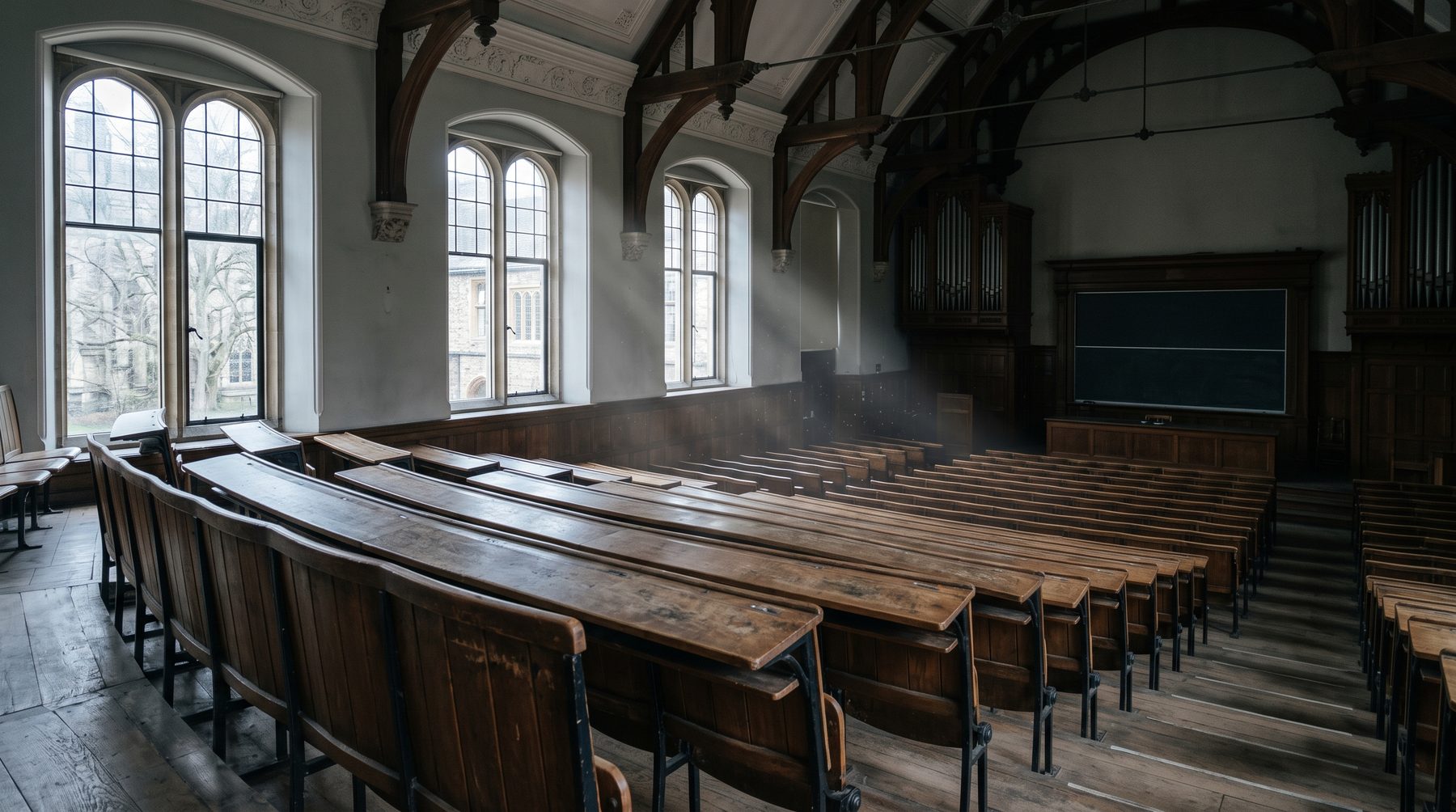
In 2013, most Americans still believed a university degree was worth the price. Today fewer than a third agree. It did not happen because people stopped wanting to learn. The opposite: the hunger for knowledge has never been greater. What changed is not the desire, but where people are willing to get it from.בשנת 2013, רוב האמריקאים עוד האמינו שתואר אקדמי שווה את המחיר. היום פחות משליש מסכימים. זה לא קרה כי אנשים הפסיקו לרצות ללמוד, להפך. הרעב לידע מעולם לא היה גדול יותר. מה שהשתנה הוא לא הרצון, אלא מאיפה אנשים מוכנים לקבל אותו.
What the numbers sayמה המספרים אומרים
The single figure that tells the whole story comes from Gallup: in 2025, only 33% of Americans said a four-year degree was worth its cost. 63% said it was not. A decade earlier the ratio was almost reversed, with 53% in favour.הנתון הבודד שמספר את כל הסיפור מגיע מ-Gallup: ב-2025, רק 33% מהאמריקאים אמרו שתואר של ארבע שנים שווה את עלותו. 63% אמרו שלא. עשור קודם היחס היה כמעט הפוך, 53% בעד.
And it is not only the people who never went. Among degree holders themselves, only 46% still think it was worth the price. When even the graduates doubt what they bought, something deeper is happening than a complaint about tuition. This is not the collapse of education. It is the collapse of trust in one distribution system.וזה לא רק מי שלא למד. גם בקרב בעלי תואר, רק 46% עדיין חושבים שהיה שווה את המחיר. כשאפילו הבוגרים מפקפקים במה שקנו, משהו עמוק יותר קורה מסתם תלונה על שכר לימוד. זו לא קריסה של ההשכלה, זו קריסה של האמון במערכת הפצה אחת.

The hunger changed addressהרעב עבר כתובת
If knowledge no longer flows through the university, where does it go? The creator economy was valued at roughly 252 billion dollars in 2025, and Goldman Sachs expects it to pass 480 billion by 2027. A growing share of that is people paying to learn from someone specific.אם הידע לא זורם יותר דרך האקדמיה, לאן הוא הולך? כלכלת היוצרים הוערכה בכ-252 מיליארד דולר ב-2025, ו-Goldman Sachs צופה שתחצה 480 מיליארד עד 2027. חלק גדל והולך מהסכום הזה הוא אנשים שמשלמים כדי ללמוד ממישהו ספציפי.
The labour market is looking away too: around 45% of companies are expected to drop degree requirements, and McKinsey found that hiring for skills predicts performance five times better than hiring for education. The question is no longer where you studied, but what you can do, and who you learned it from.גם שוק העבודה מסיט מבט: כ-45% מהחברות צפויות להפחית דרישות תואר, ו-McKinsey מצא שגיוס לפי מיומנות חוזה ביצועים פי חמישה טוב יותר מגיוס לפי השכלה. השאלה כבר לא "איפה למדת", אלא "מה אתה יודע לעשות, וממי".
“People did not stop wanting to learn. They stopped believing the classroom is the only place it happens.אנשים לא הפסיקו לרצות ללמוד. הם הפסיקו להאמין שהכיתה היא המקום היחיד שבו זה קורה.
— Course It Studio
Why a creator teaches betterלמה יוצר מלמד טוב יותר
When you learn from a creator you already follow, you do not start from zero. You have absorbed the way they think through every post and every interview. They are not a stranger on a stage, they are someone you have already given your trust. That is exactly what an institution cannot offer: not knowledge, but a specific voice you chose to listen to.כשאתה לומד מיוצר שאתה כבר עוקב אחריו, אתה לא מתחיל מאפס. כבר ספגת את צורת החשיבה שלו דרך כל פוסט וכל ראיון. הוא לא זר על במה, הוא מישהו שכבר הרווחת אמון כלפיו. וזה בדיוק מה שמוסד לא יכול לתת: לא ידע, אלא קול ספציפי שאתה בוחר להקשיב לו.
The only problem is that most experts’ knowledge is scattered, across podcasts, stories, private messages, and years of work nobody can sit through. A course is what changes that: it gives the knowledge order, a beginning and an end, and turns a follower into a student and an expert into a source.הבעיה היחידה היא שהידע של רוב המומחים מפוזר, בין פודקאסטים, סטוריז, הודעות פרטיות, ושנים של עבודה שאי אפשר לשבת ולעבור עליהן. קורס הוא מה שמשנה את זה: הוא נותן לידע סדר, התחלה וסוף, והופך עוקב לתלמיד ומומחה למקור.

What it means nowמה זה אומר עכשיו
There is a gap here. On one side, experts sitting on complete knowledge with no idea how to package it. On the other, an audience that already trusts them and is hungry to learn from them. The knowledge exists. The audience exists. The connection between them does not.יש פה פער. מצד אחד מומחים שיושבים על ידע שלם ולא יודעים איך לארוז אותו. מצד שני קהל שכבר סומך עליהם ורעב ללמוד מהם. הידע קיים. הקהל קיים. החיבור ביניהם לא.
Academia will not disappear tomorrow, and it should not. But its monopoly on how people learn has broken. The next generation of teachers is already in your feed, they simply have not yet turned what they know into something you can learn in sequence. That, precisely, is what we build.האקדמיה לא תיעלם מחר, וגם לא צריכה. אבל הבלעדיות שלה על "ככה לומדים" נשברה. הדור הבא של המורים כבר נמצא בפיד שלך, רק שעדיין לא הפך את מה שהוא יודע למשהו שאפשר ללמוד ממנו ברצף. וזה, בדיוק, מה שאנחנו בונים.
Every creator has a courseלכל יוצר יש קורס